
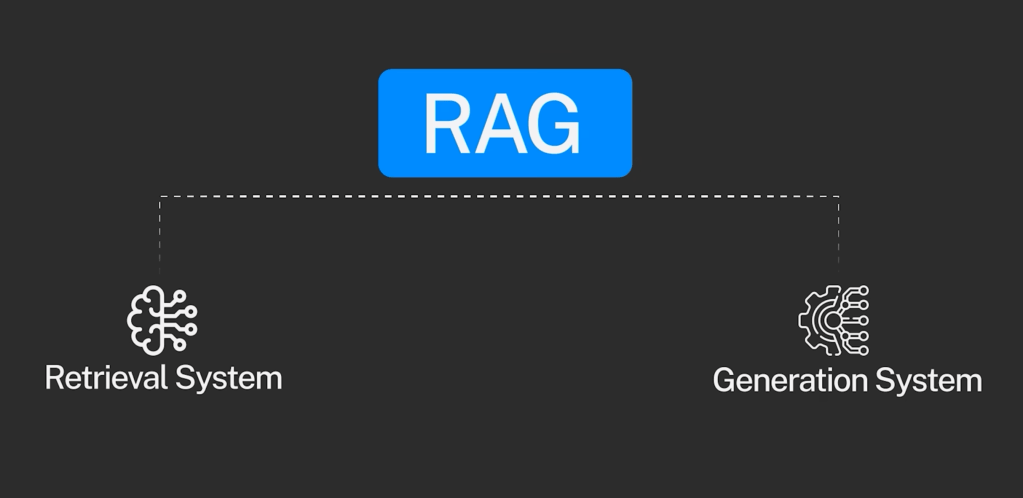
Retrieval-augmented generation (RAG) is a technique that enables large language models (LLMs) to retrieve and incorporate new information
The concept of Retrieval-Augmented Generation (RAG) was introduced by Patrick Lewis and his team of researchers from Facebook AI (now Meta), University College London, and New York University in a research paper published in 2020.
RAG improves large language models (LLMs) by incorporating information retrieval before generating responses.[3] Unlike LLMs that rely on static training data, RAG pulls relevant text from databases, uploaded documents, or web sources
LLMs with RAG are programmed to prioritize new information. This technique has been called “prompt stuffing.”

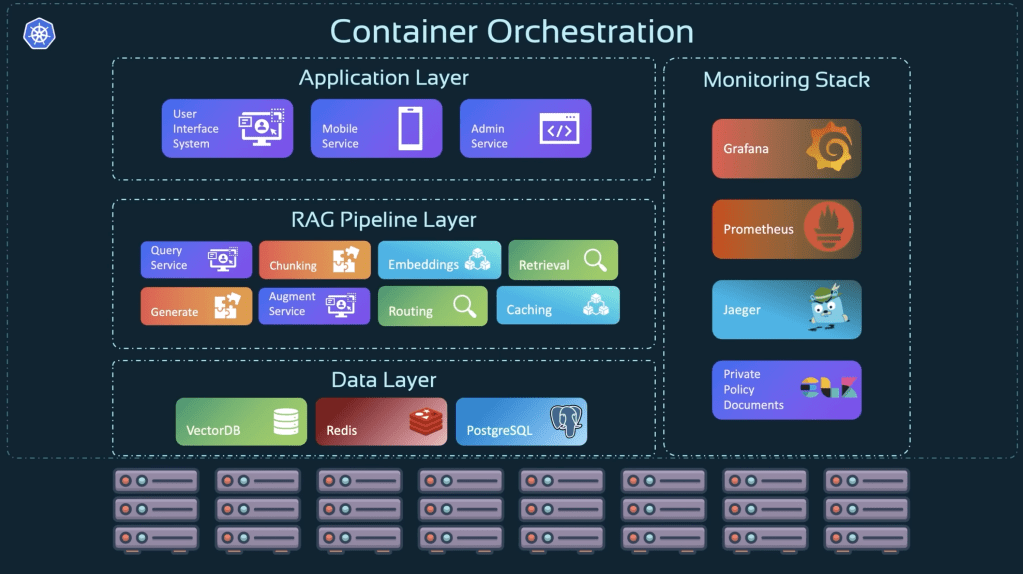
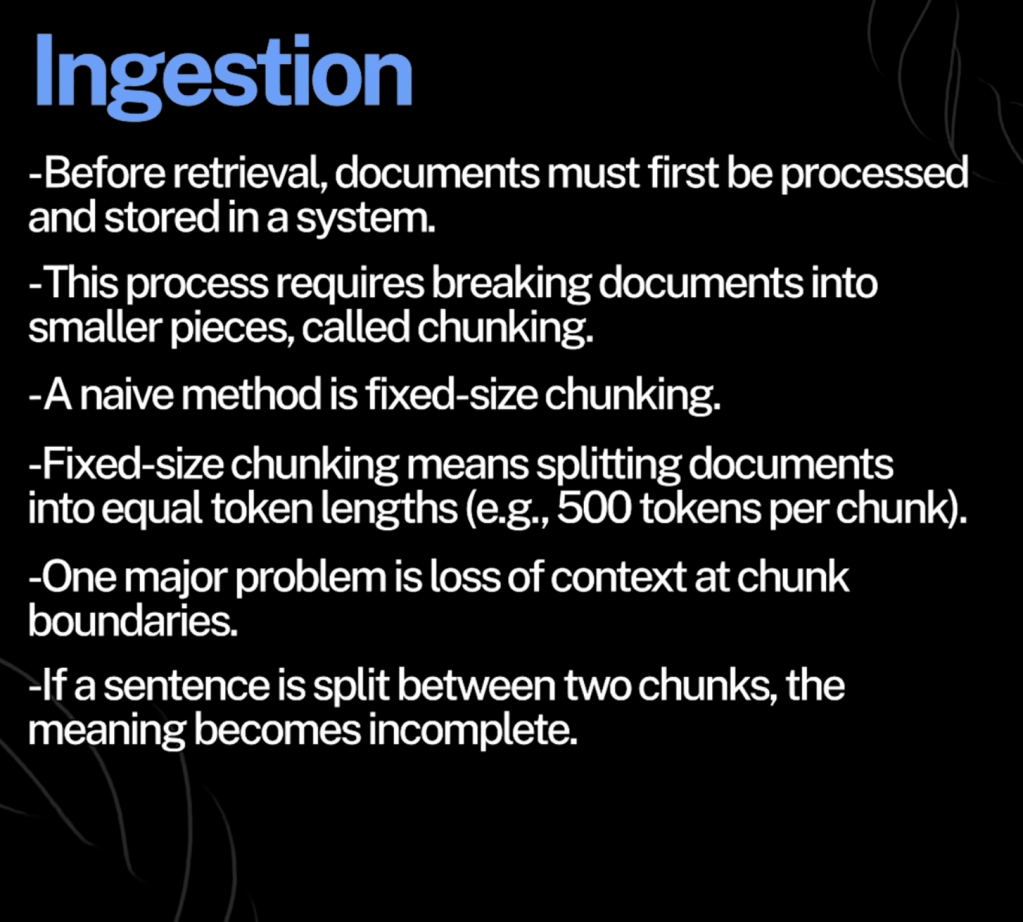
TF-IDF (Term Frequency-Inverse Document Frequency) is a text vectorization technique that converts text into numerical vectors by scoring words based on their frequency within a single document and their rarity across a collection of documents
BM25 (Best Match 25) is a ranking function used by search engines to determine the relevance of documents to a search query by evaluating term frequency, inverse document frequency, and document length.
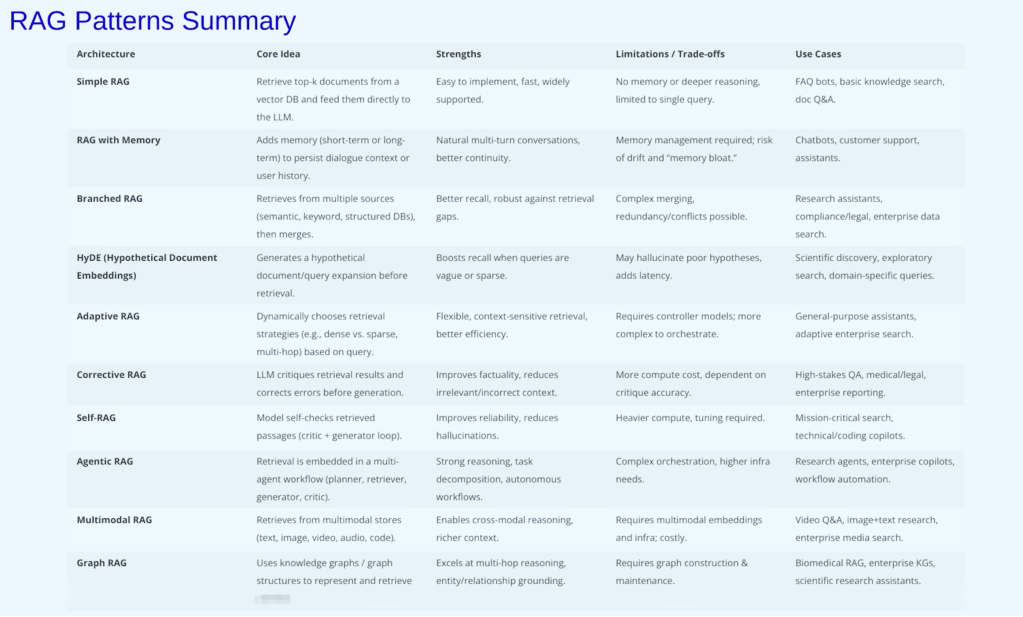
Corrective RAG fixes bad search results before generation,
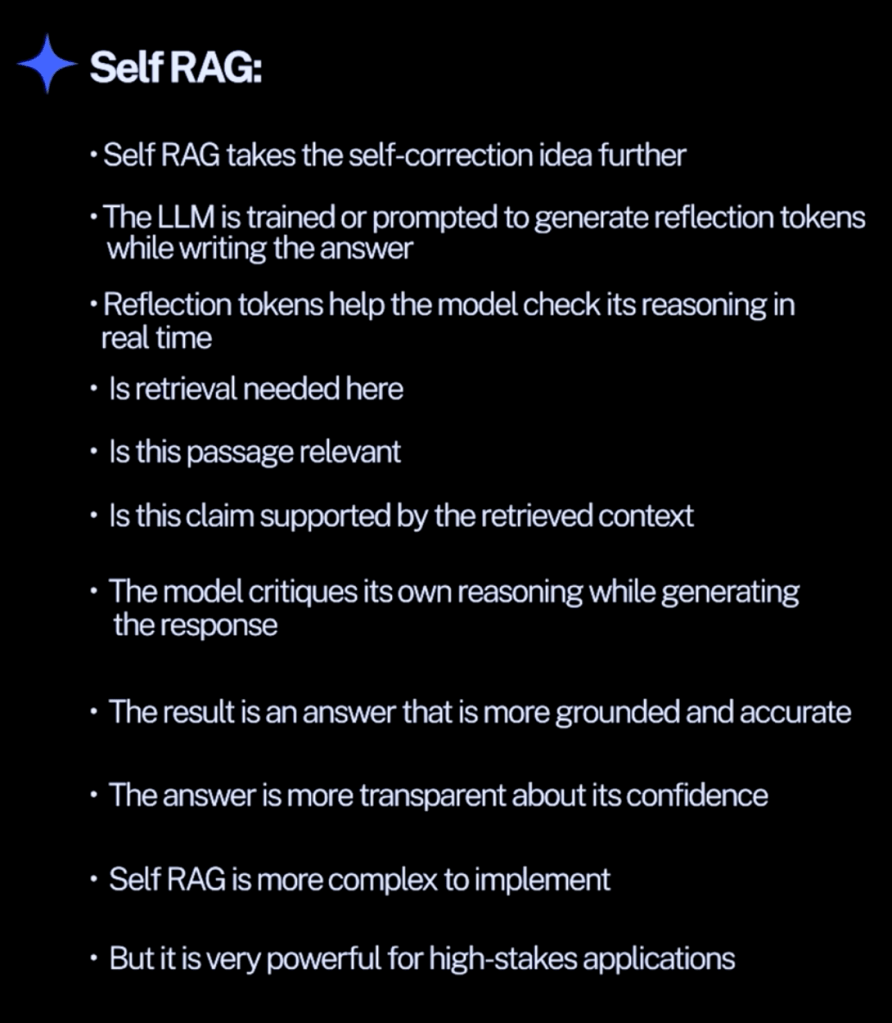
Self-RAG critiques and corrects outputs during generation, and
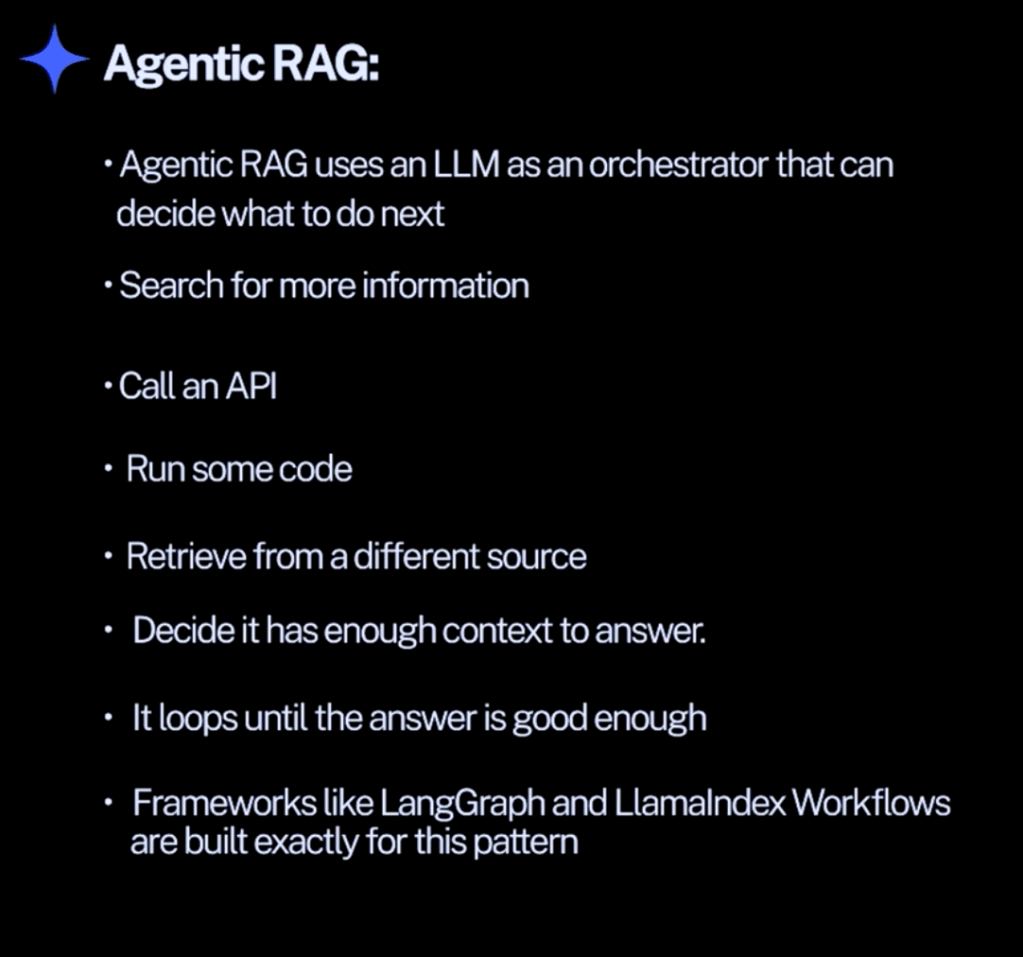
Agentic RAG autonomously plans and executes multi-step workflows.
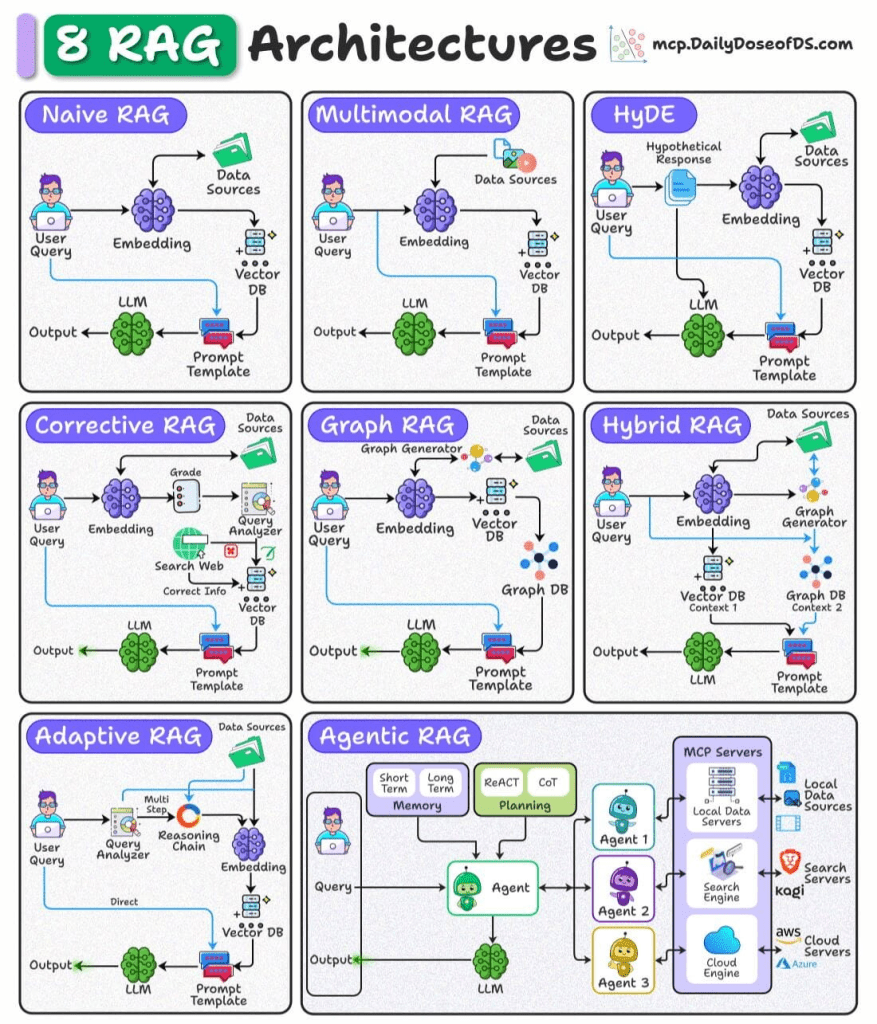
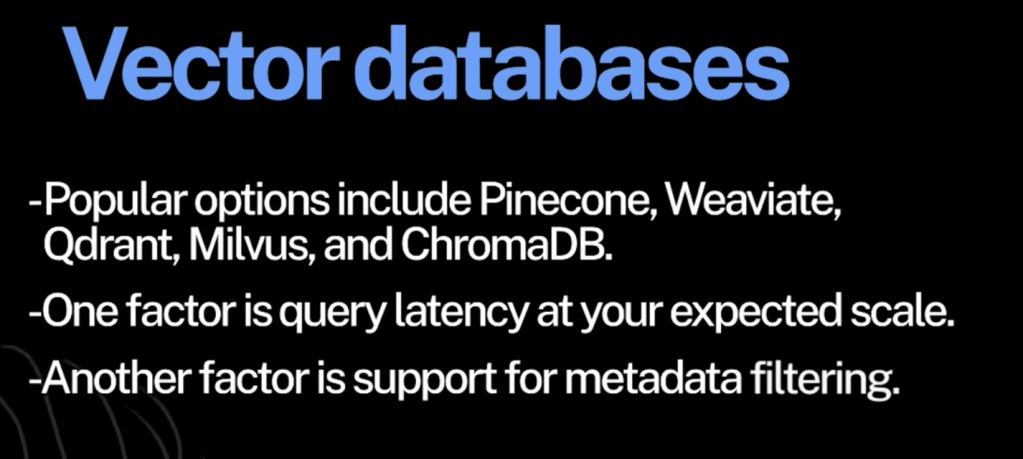
Simple RAG
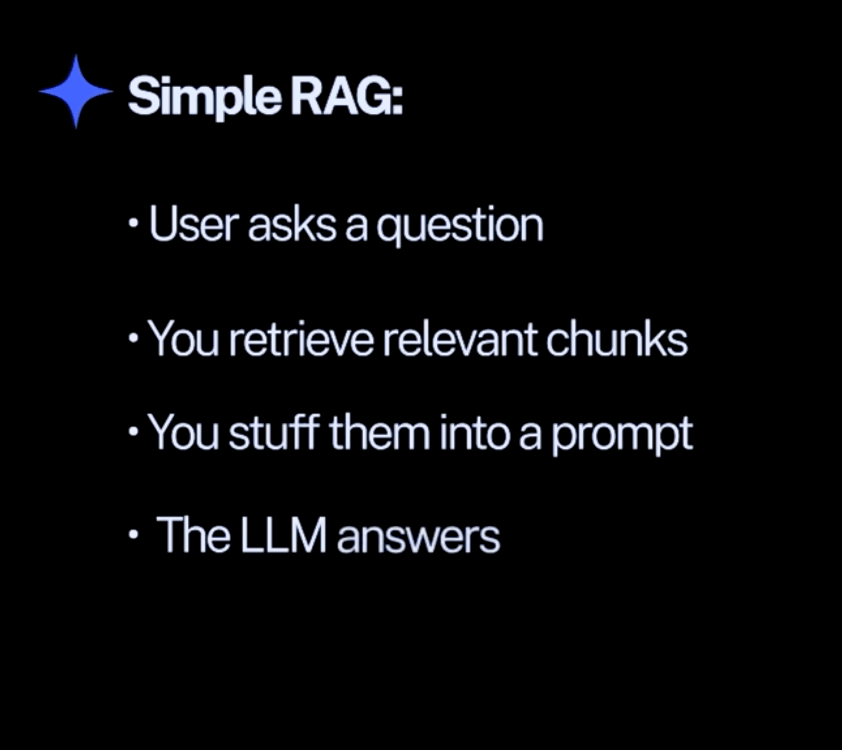
RAG with Memory
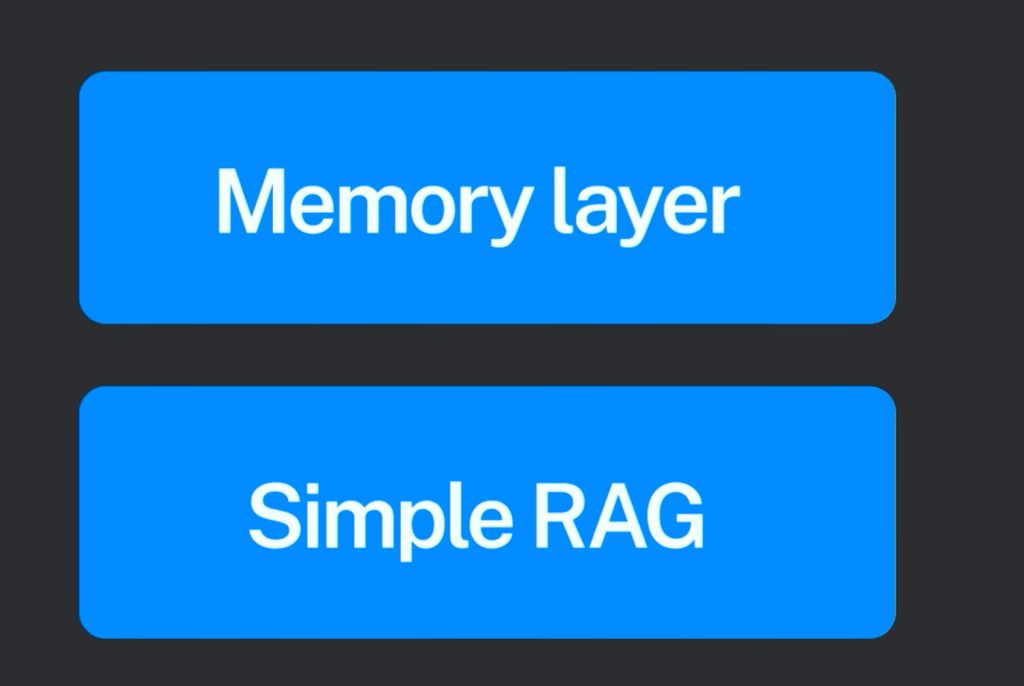
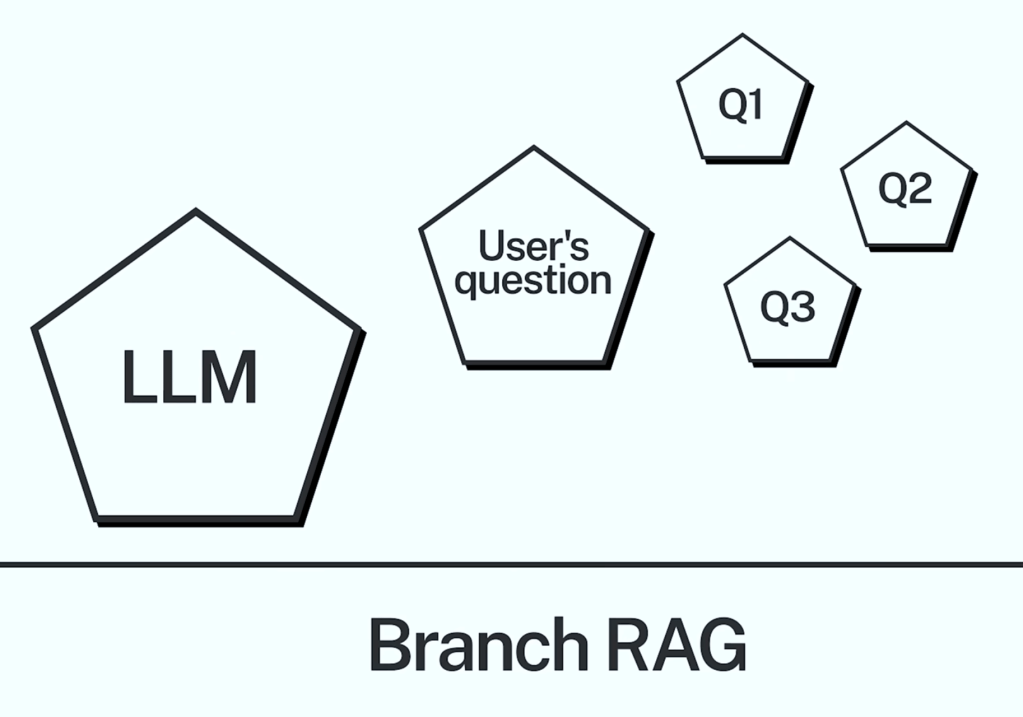
Branched RAG
HyDE RAG
Bridges the gap that RAG query embedding & Document embedding
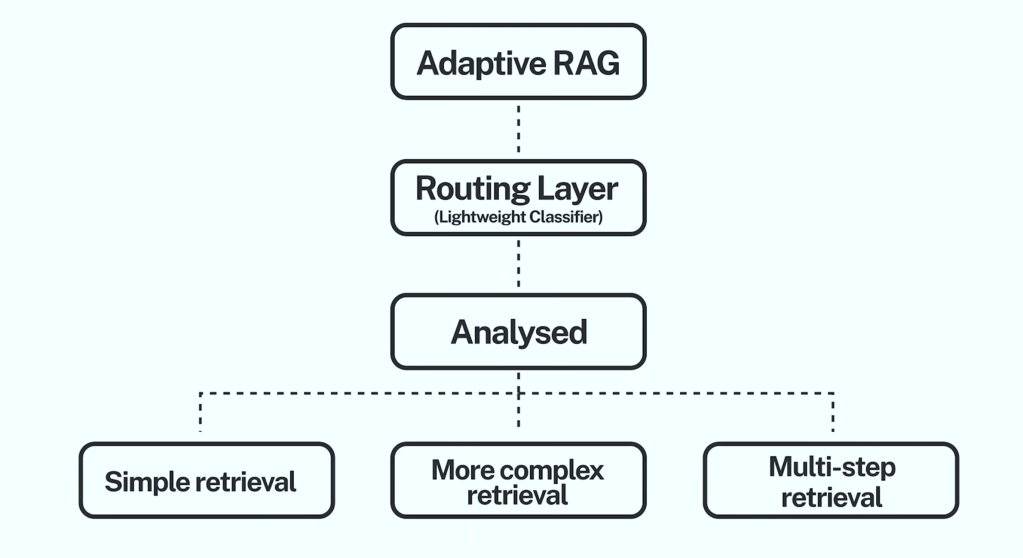
Adaptive RAG
Corrective RAG (Its like quality gate)

Agentic RAG
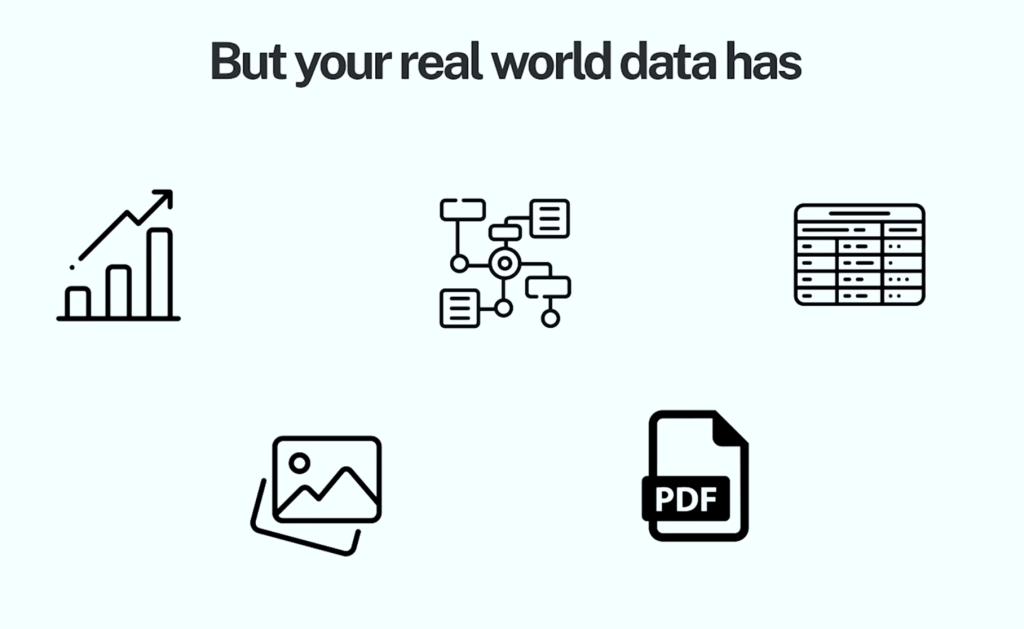
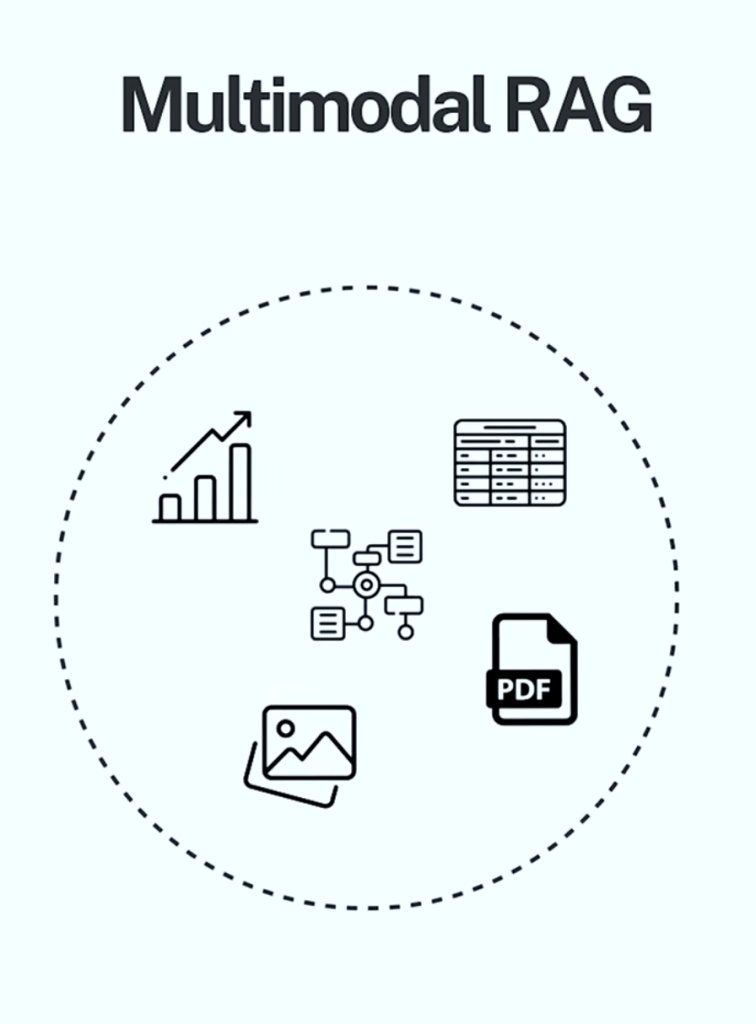
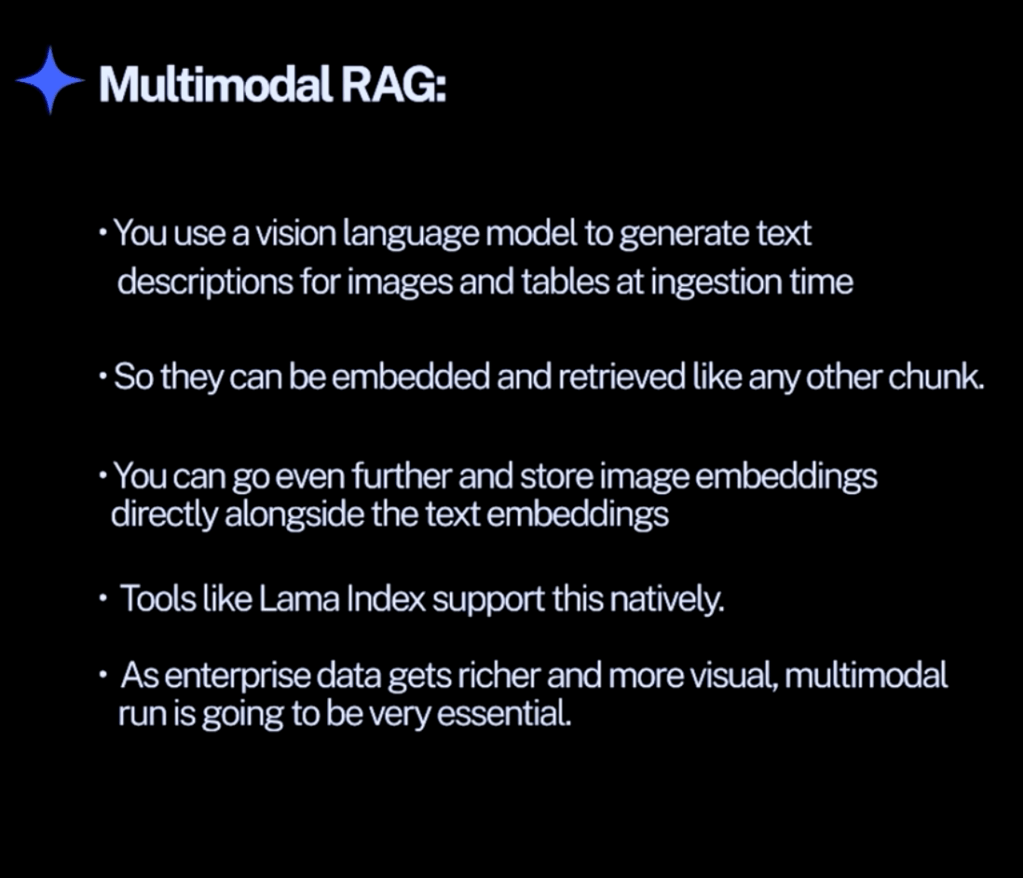
MultiModel RAG
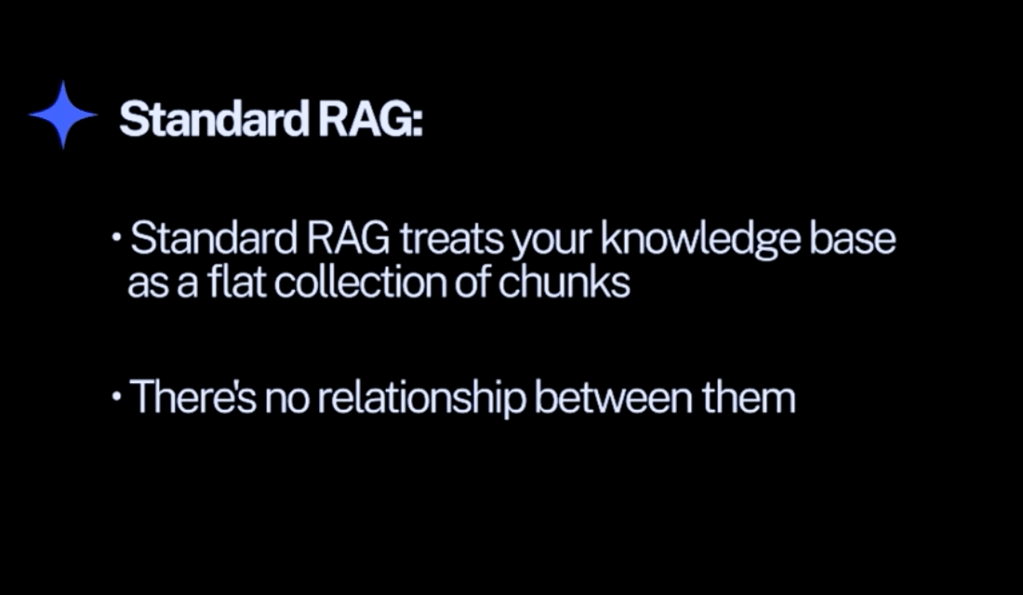
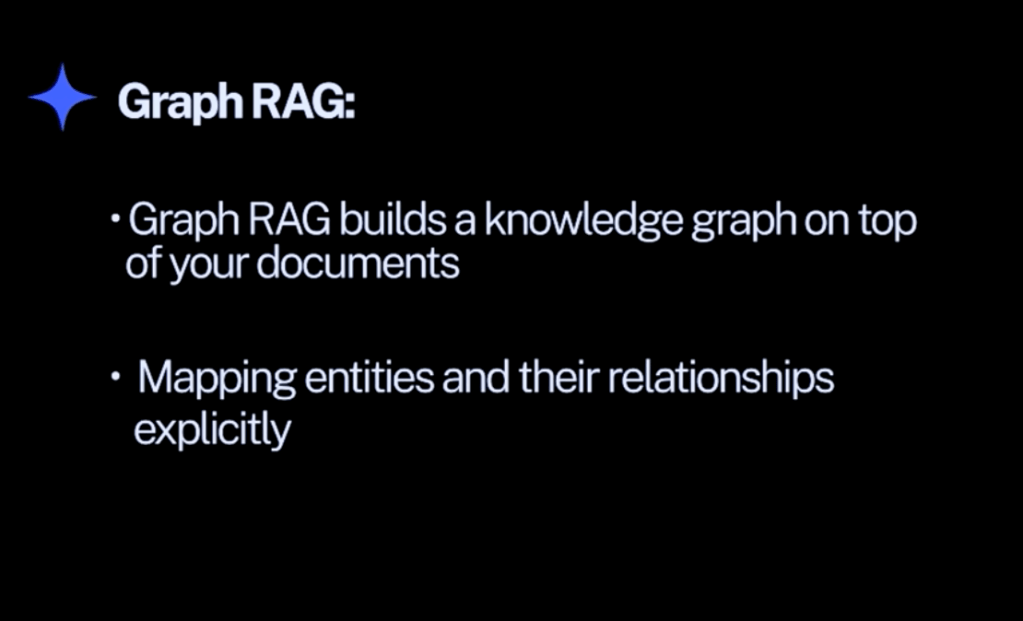
Graph RAG